
Premium Moldovan wine today stands for more than just quality in the glass. It represents a style—a restrained yet precise expression of terroir. These wines do not shout; they speak clearly of where they come from—climatically, geologically, and humanly.
Whether it’s a floral Chardonnay, a structured Saperavi, or a cuvée made from international varieties, Moldovan wineries like Gitana Winery, Chateau Cristi, or Aurelius focus on substance over spectacle.
What distinguishes these wines is not volume but clarity. In a wine world full of effects, this quiet precision does not just feel different—it feels credible.
What Does Premium Moldovan Wine Really Mean?
For those who often see the word “premium” on wine labels, the question may arise: what does it truly mean in the Moldovan context? The answer is not in marketing—it’s in the glass.
A premium Moldovan wine is never accidental. It begins with decisions made long before harvest—in the vineyard, in the cellar, and in the winemaker’s philosophy. It’s about clarity, substance, and respect for the origin.
How to Recognize Quality—Before Tasting
- Grapes are harvested by hand, carefully and selectively. Only the best are used.
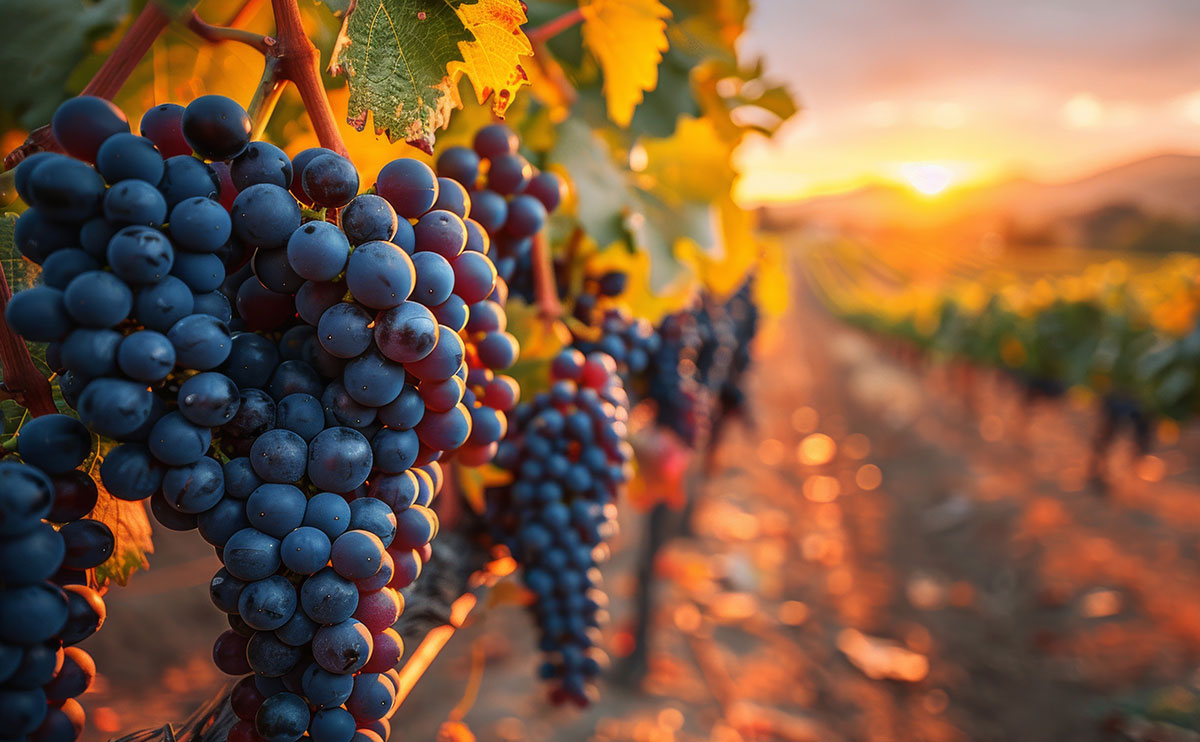
- The grape varieties are chosen with local identity in mind: Fetească Neagră, Rară Neagră, or Viorica are not there by chance—they express origin.
- The maturation is not rushed. Whether 10, 14, or 18 months in barrels or stainless steel, the wine develops until it’s in balance.
- Philosophy matters: good wine begins with conviction—no shortcuts, no compromises for yield or speed.
What You Don’t See, But Taste
- A calm texture, without harshness or exaggeration
- An aromatic flow, consistent from nose to finish
- Structure that supports without dominating—balanced acidity, refined tannins, and integrated alcohol
Wineries like Gitana Winery, Chateau Cristi, Aurelius, or Domeniile Vorniceni don’t make wine for medals. They make wine for people who want to understand what’s behind a glass—and where it comes from.
Moldovan Wines: A Bridge Between Tradition and Finesse
Moldova is one of Europe’s oldest wine regions, yet it rarely features in the mainstream wine narrative. This is not due to lack of quality, but rather restraint. Many winemakers work quietly, with precision and patience—far from spectacle, close to substance.
What impresses about Moldovan wines today is not just craftsmanship, but stylistic clarity. They combine:
- Time-honored grape varieties with reinterpretations in winemaking
- Regional identity with international readability
- Structural depth with sensory finesse
Working with local grapes like Fetească Neagră or Rară Neagră requires intuition—and conviction. These wines don’t wear the label “authentic”—they are. And they show that origin is not a marketing term but a principle of taste.
That’s what makes Moldovan wine relevant today—especially for people who see wine not as a trend, but as a language.
Renowned Wineries & Our Premium Selection
To truly understand Moldovan wine, it’s not enough to talk about grape varieties or aging methods. One must recognize the winery’s signature. Because character emerges precisely where decisions, experience, and intuition meet.
Our selection is based on winemakers who don’t just produce wine—they embody a philosophy. They don’t work for the market, but for identity. And every profile is distinctly their own:
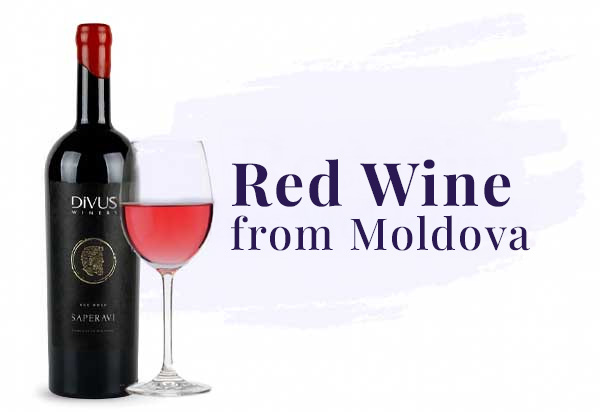
Gitana Winery blends elegant fruit with structured depth. Their Saperavi interpretations are among the most compelling in Moldova—dense, cool, precise.
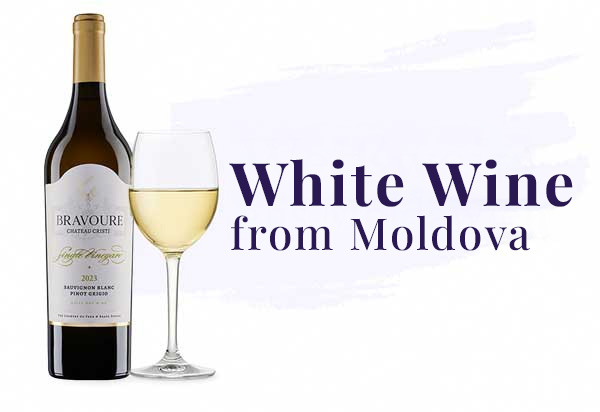
Chateau Cristi follows its own path: a French-inspired style with Moldovan soul. Their Cuvee Rouge Royal showcases how much complexity a well-led assemblage can deliver.
Aurelius stands for clarity and texture. Their Fetească Neagră is focused, pure, almost minimalist—a wine for those who value reduction as a form of quality.
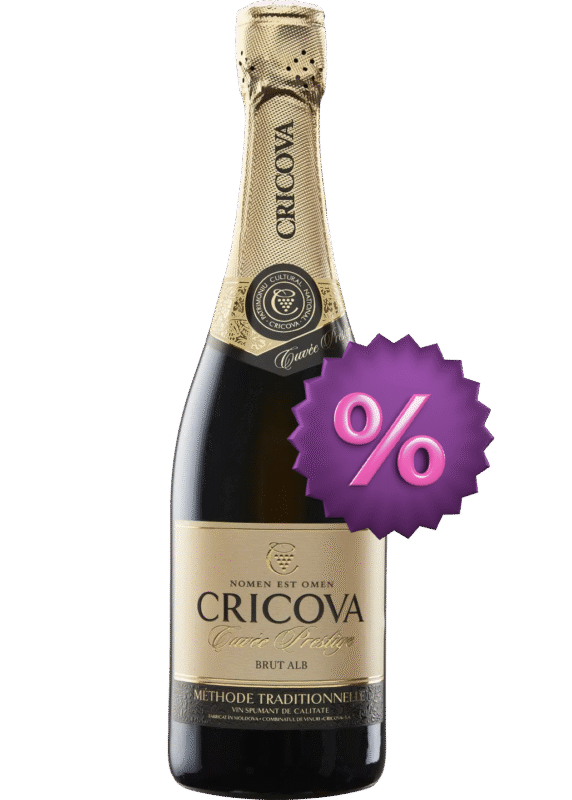
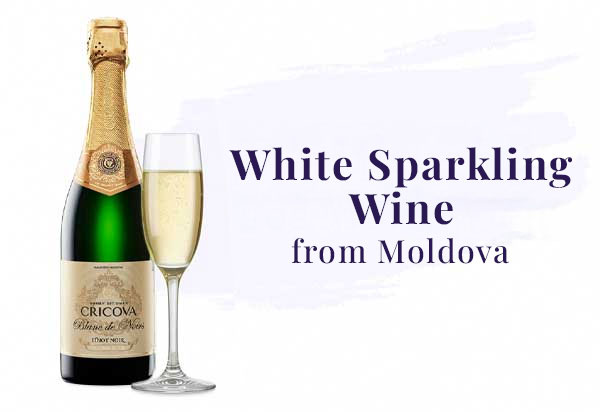
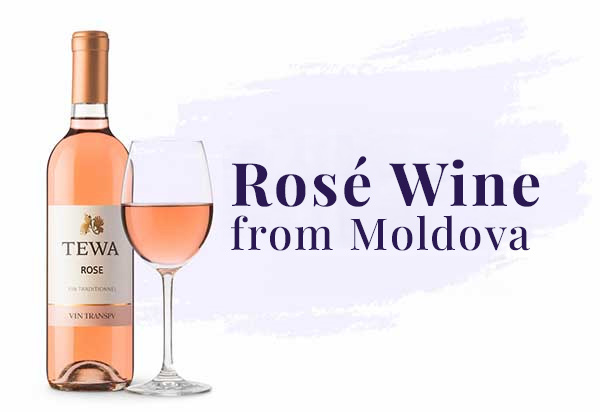
Cricova, Domeniile Vorniceni, Domaine La Prut, Divus, and Te Wa each set their own accents. Sometimes it’s about native varieties, sometimes the play with barrel types, or an uncompromising commitment to hand-picking and long maturation.
This diversity is not coincidental. It is curated—not for labels, but for expression.
Which Moldovan Wine Suits Your Taste?
The variety of Moldovan wines is broad—and that’s what makes choosing so exciting. Instead of ratings or labels, it’s worth listening to your own sensory preference. What do you look for in a glass? Structure? Fruit? Subtlety?
A few signposts, without oversimplifying:
If you appreciate depth and strength: Look to Saperavi or Fetească Neagră. Structured, with dark fruit and serious tannins. Perfect with meat—or a quiet evening.
If you seek clarity and freshness: Try Viorica, Chardonnay, or I’m Winey Blanc de Noir. Aromatically open but not loud. Great for starters, vegetables, or on its own.
If you love balance: Go for a Cuvee Rouge—like those from Chateau Cristi or Domeniile Vorniceni. These blends aim for harmony: nothing dominates, everything is present. Like a well-tuned chord.
If you’re curious: Explore Te Wa Muscat Ottonel or an Aurelius Rosé—wines that don’t follow expectations but shift them. Made for explorers, not for comparisons.
Conclusion: Why Discovering Moldovan Premium Wines Matters Now
Moldovan wines don’t demand attention—they earn it. Those who taste them quickly realize that these wines aren’t about effects, but about origin, philosophy, and a style that doesn’t try to please, but to be understood.
Premium Moldovan wine is not a trend product. It is the result of knowledge, patience, and a quiet self-assurance that has become rare in today’s wine world. The people behind these wines don’t work for visibility—they work for substance.
For those who see wine not as a status symbol but as a language, Moldovan premium wines are an invitation to rediscover character. Without staging. But with depth.