

1. Introduction – Why winter calls for different wines
When temperatures drop, the way we perceive a wine’s aromas and texture changes. More delicate wines can seem muted, while styles with structure, concentration, and more intense aromas naturally feel better suited to the cold season.
Typical aromas of wines that work well in winter — spices (pepper, cloves, cinnamon), ripe dark fruits, cocoa, vanilla, or subtle oak notes — fit naturally with both the cuisine and atmosphere of the season. This means that choosing winter wines is not about tradition, but about balance between temperature, structure, and aromatic intensity.
Moreover, November–December is an excellent time to buy wine, because seasonal discounts make it easier to complete your “winter stock” at a much better price.
2. Structured red wines – the best choice for the cold season
On cold days, medium- to full-bodied red wines show their best qualities. Tannins become softer when served at 15–18°C, and concentrated aromas open more harmoniously than in warm weather.
They pair perfectly with:
– Cabernet Sauvignon
– Syrah
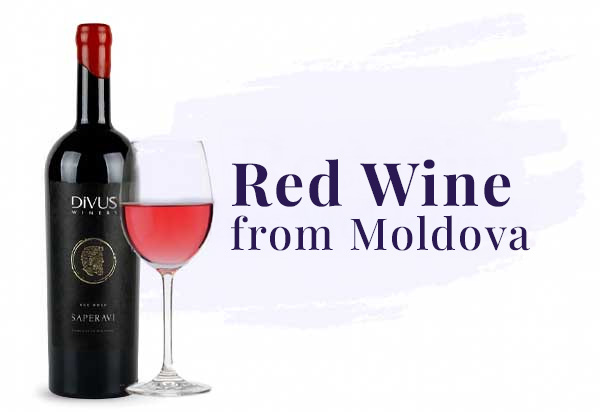
– Saperavi
– Rara Neagră
– oak-matured red blends
These styles have depth, density, and a structure that naturally works with winter’s hearty dishes: roasts, saucy preparations, slow-cooked meals, and richly seasoned foods.
Current discounted options:
– Bravoure range – 15%, balanced wines ideal for long evenings
– Politica range – 50%, excellent value for dense, concentrated reds
– Petit range – 30%, great for frequent winter enjoyment
3. Sweet wines and Icewine – perfect for desserts and quiet evenings
Winter is the season when sweet wines express themselves best. Cold weather and richer dishes highlight their intense aromas.
Why they are ideal in winter:
– they have naturally concentrated aromas (peach, apricot, mango, honey),
– sweetness is balanced by acidity, making them surprisingly fresh,
– they pair beautifully with seasonal desserts (tarts, sweet breads, nut pastries),
– they are excellent to enjoy on their own on a cold evening.
Current recommendation on offer: Cricova Ice Wine Sweet White – 9% off.
A very good example of well-made Icewine: intense, bright, and never heavy or tiring. Worth adding to your holiday stock, especially for special end-of-meal moments.
4. Wines for Christmas meals – what to choose depending on the dish
Christmas meals call for versatile wines that can accompany rich, aromatic, slow-cooked dishes. The right choice can elevate the entire table.
For appetizers and snacks:
– aromatic white wines (Riesling, Muscat)
– fresh whites with moderate acidity
(Example: Cricova Viorica – 30% off)
For white meat, turkey, duck:
– oak-matured Chardonnay
– textured whites
(Example: Chateau Cristi Chardonnay 2022 – 10% off)
For stuffed cabbage, roasts, heavy dishes:
– structured reds: Saperavi, Cabernet Sauvignon, oak-matured blends
– medium-bodied reds with spicy notes
For desserts:
– sweet wines or Icewine (ideal for the end of the meal)
These selections are not only gastronomically correct, but also smart choices when purchased during discount periods.
4. Wines for Christmas meals – how to choose what matches the dishes
Winter meals are richer, more aromatic, and often slow-cooked. For that reason, the wines you choose must have structure, balance, and aromatic intensity, so they don’t get “overpowered” by the food.
For appetizers and light snacks
Choose aromatic or fresh white wines that keep the energy of the meal: Riesling, Muscat, Viorica, Pinot Grigio. They match well with salads, cold platters, or fish dishes.
For white meat dishes (turkey, chicken, duck)
A lightly oak-matured Chardonnay or a textured white wine is the classic choice — delicate enough for white meat, but structured enough for dense winter sauces.
For stuffed cabbage, roasts, and hearty dishes
Structured red wines with soft tannins and ripe fruit aromas are ideal. Cabernet, Saperavi, aged Merlot, or oak-matured blends pair beautifully with red meat, cooked cabbage, or spiced dishes.
For dessert
Sweet wines, Icewine, or Late Harvest pair well with fruit tarts, sweet bread, or nut-based desserts. Their sweetness balanced by acidity makes the end of the meal more harmonious.
This approach allows you to choose wine based on the dish and the style of the meal, without turning the selection into a complicated list — just clear and easy-to-use guidelines.
5. Wines suitable for gifting – simple criteria for inspired choices
In the cold season, wine becomes one of the most appreciated gift choices: elegant, useful, easy to offer, and suitable for any type of relationship — personal or professional. However, not every wine makes a good gift. The ideal choice depends on a few clear criteria:
- Choose wines with good presentation
The bottle, label, and general appearance matter a lot. Premium-looking wines with balanced colors and clean packaging convey respect and care. - Look for wines with reputation or story
A well-known winery, an award-winning bottle, or one with a terroir story has a special impact. People appreciate wines with clear origin and well-defined style because they inspire confidence. - Choose versatile wines
For gifts, avoid extremes (very acidic, very robust, very funky). Aromatic whites, balanced reds, and sparkling wines are generally well received by anyone. - Sweet wines or Icewine – ideal for the cold season
A high-quality sweet wine is a memorable gift, especially in winter, when desserts and quiet evenings enhance its appeal. The recipient doesn’t need to be a wine enthusiast — sweet wines are accessible, pleasant, and easy to enjoy. - Think about the occasion
• Corporate gifts → elegant, balanced wines from premium ranges
• Gifts for friends → wines with personality or rare styles
• Gifts for family → seasonal wines: smooth reds, natural sweet wines, festive sparkling wines
The right choice doesn’t require a big budget — just a wine with clear identity and coherent style.
6. Conclusion – Winter is the moment when wine takes on a different role
Winter changes the way we perceive wine: meals are heartier, temperatures are lower, and time spent at home becomes longer and more relaxed. That’s why wines with structure, aromatic density, and personality shine in the cold season.
Smooth reds, mature white wines, sweet wines, or Icewine become naturally suited to winter — not because “that’s what people say,” but because they genuinely match the way flavors, aromas, and atmosphere shift.
And if the discount season gives you a chance to complete your wine stock, even better: winter truly deserves wines chosen with intention, not by accident.
A good wine, chosen with care, can turn an ordinary meal into a memorable moment — whether you enjoy it at home, offer it as a gift, or keep it for a special occasion.