

1. Introduction – Why Temperature Completely Changes the Taste of Wine
Few consumers realize how much temperature influences the way we perceive a wine.
The same wine can taste vibrant and refreshing at a few degrees lower, but flat and heavy when served too warm. At the same time, the delicate aromas of a white wine can disappear if it is overly chilled, and the tannins of a red wine can feel harsh if it is drunk too cold.
In short, temperature is not a technical detail for experts — it is an essential part of the experience.
When wine is served correctly, it reveals its balance, aromas and personality. When it’s not, even a very good wine can feel disappointing.
Understanding the right temperatures means you can turn any bottle, regardless of price, into a much more enjoyable experience — without tricks, only with a little attention.
2. What “Room Temperature” Actually Means (and Why It’s Not 23°C)
Many people believe that red wine should be served “at room temperature.”
But this expression appeared in the era of unheated castles, where “room temperature” meant 16–18°C — not the 22–24°C we have today in our homes.
This means that:
- a red wine served at 23°C is already too warm — the alcohol becomes more pronounced, the aromas feel heavy, and the taste seems tired.
- a red wine served at 16–18°C is balanced, the tannins are softer, and the fruity aromas are much clearer.
For white and rosé wines, room temperature is even more problematic:
above 15–16°C, freshness disappears and the aromas feel flat.
This is why even red wines can benefit from a few minutes in the fridge before serving, especially in summer.
A red wine at 17°C will taste “correct.” One at 24°C will be heavy, almost suffocating.
3. Ideal Temperatures for Each Type of Wine (Complete and Easy-to-Use Table)
Temperature influences aromas, acidity, alcohol perception and texture.
The table below shows the most accurate guidelines, used by both sommeliers and serious wineries.
Table – Correct Serving Temperatures for Each Type of Wine
| Wine Type | Recommended Temperature | Why It Works Best |
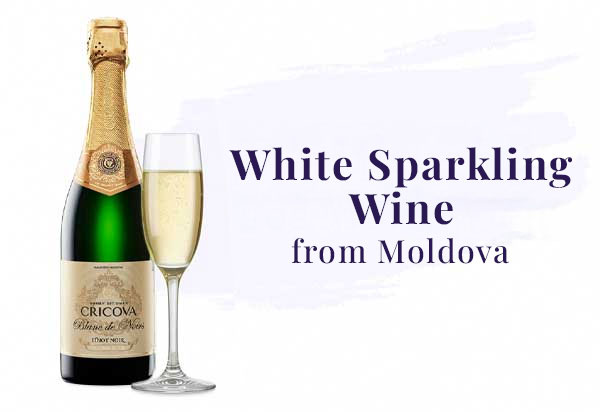
| Sparkling wine / Prosecco / Champagne | 6–8°C | Bubbles stay fine, maximum freshness, aromas don’t become aggressive. |
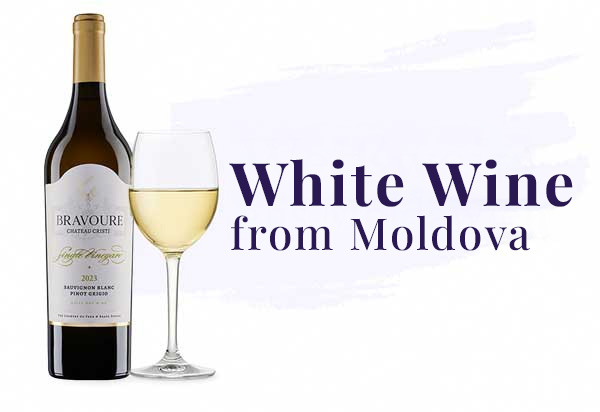
| Very fresh white wine (Sauvignon Blanc, Pinot Grigio, Fetească Albă) | 7–9°C | Acidity stays balanced, aromas remain bright and clear. |
| Aromatic white wine (Riesling, Muscat, Traminer) | 8–10°C | Allows floral aromas to open without losing freshness. |
| Mature / oaked white wine (Chardonnay barrique, matured Fetească Regală) | 10–12°C | Highlights texture, buttery notes and oak nuances. |
| Rosé wine | 8–10°C | Best balance when slightly chilled, with well-defined fruit. |
| Light red wine (Pinot Noir, Gamay, young Merlot) | 14–16°C | Tannins stay fine, red fruit aromas remain clear and not “alcoholic.” |
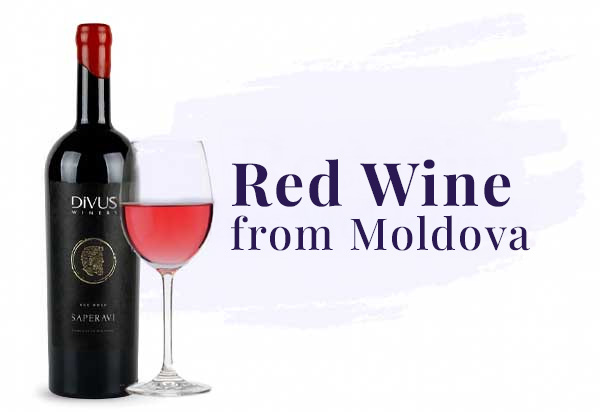
| Full-bodied red wine (Cabernet Sauvignon, Syrah, Saperavi) | 16–18°C | Structure feels harmonious and complex notes open without becoming heavy. |
| Sweet wine / Icewine / Late Harvest | 8–10°C | Chilling keeps the balance between sweetness and acidity. |
| Oxidative wine (Sherry, Madeira) | 12–16°C | Intense, nutty aromas need a slightly higher temperature. |
4. Why Wine Loses Quality When Too Cold or Too Warm
What happens when wine is too cold
- Aromas close up. The wine tastes “empty,” with reduced personality.
- Acidity seems more aggressive, especially in young white wines.
- Tannins in red wines become rough, as low temperature highlights astringency.
- Sweetness becomes muted in dessert wines, making them feel unbalanced.
In short: too cold = a wine without aroma, rigid, expressionless.
What happens when wine is too warm
- Alcohol becomes dominant and can create a burning sensation.
- Aromas feel heavy and lack freshness.
- Red wines become flat, losing elegance and structure.
- White wines lose clarity and the fruit tastes overly ripe.
In short: too warm = tiring, heavy, unbalanced wine.
Quick conclusion
The ideal temperature is not a luxury — it is the difference between a correct wine and one “spoiled” by serving.
5. How to Bring Wine to the Right Temperature Quickly (Without Mistakes)
Method 1: 15 minutes in the fridge (basic rule)
Works for:
- white wines
- rosé
- sparkling wines
- sweet wines
15 minutes is enough to bring wine to a safe zone without over-chilling.
Method 2: Bucket with 50% ice + 50% water (the most efficient)
This is the preferred method in restaurants.
- 10 minutes for white wines
- 20 minutes for red wines
- 8 minutes for sparkling wines
Water helps ice cool evenly and much faster.
Method 3: How to warm up a wine that is too cold
The classic mistake is leaving it on the table too long. The right method:
- hold the glass in your hand for 1–2 minutes,
- gently swirl the wine,
- check the temperature gradually.
Do NOT warm the bottle in hot water — it changes the aromas abruptly.
Method 4: How to cool down a red wine that is too warm
- put the bottle in the fridge for 12–15 minutes,
- or in ice water for 5 minutes.
Red wine shouldn’t be served cold — but definitely not at 25°C.
Method 5: Use a drop-stop or wine cooler only to maintain temperature
These do not cool wine — they only keep it at the right temperature once you’ve reached it.
6. Common Mistakes When Serving Wine (and How to Avoid Them)
Mistake 1: “Served at room temperature” — misunderstood
Today, room temperature is not 16–18°C but 22–24°C.
At this temperature, red wine becomes heavy and alcoholic.
Correct: 14–18°C, depending on the style.
Mistake 2: White wine served too cold
The rule that ruins most white wines.
At 2–4°C, wine becomes rigid, with no aroma and sharp acidity.
Correct: 6–10°C.
Mistake 3: Sparkling wine in the freezer
Besides the risk of the bottle exploding, extreme cold damages bubble texture.
Correct: ice + water bucket for 10 minutes.
Mistake 4: Leaving wine on the table until it “finishes”
Warm wine oxidizes quickly — sometimes in just 30–60 minutes.
Correct: periodically place the bottle back in the fridge or wine cooler.
Mistake 5: Rapid cooling or heating
Sudden temperature changes “shock” the wine and mute aromas.
Correct: gradual changes.
Mistake 6: Wrong glassware
Glasses that are too small or too narrow mute aromas and change temperature perception.
Correct: tulip-shaped glass for white and rosé,
larger bowl for red wine.
Mistake 7: Leaving the bottle open too long
Once exposed to air, wine changes structure quickly. Some wines resist hours, others minutes.
Correct: close the bottle immediately and keep it chilled.
7. How to Properly Store an Open Bottle So It Keeps Its Aromas (Short & Clear)
To keep an open wine fresh as long as possible, the most important thing is to limit contact with air and keep it cold.
Close the bottle immediately after pouring and store it in the fridge, regardless of the type of wine — low temperatures slow oxidation.
For structured red wines, vacuum stoppers can extend the wine’s life by an extra 1–2 days.
For sparkling wines, only a pressure stopper preserves the bubbles; otherwise, the wine loses freshness within hours.
Avoid heat and direct light — they damage aromas much faster than you’d expect.
Sweet wines are more resistant due to natural sugar, while white and rosé wines are the most sensitive to oxidation.
If you want a full guide on storage and serving, you can find it on the blog: How to Properly Store and Serve Moldovan Wine, where we explain everything step by step.
8. Conclusion – Oxidation Is Not a Problem, but a Natural Stage
Oxidation is a natural part of a wine’s life. Sometimes it highlights aromas, other times it reduces freshness — but it is not a defect by itself.
When you understand how it works, it becomes much easier to choose the right wine, know when it needs aeration, and preserve an open bottle so it stays expressive.
With a few simple rules — closing the bottle quickly, storing it cold, using the right stopper — you can enjoy wine exactly as the winemaker intended.
Oxidation is part of the experience, not the problem, and a well-preserved wine keeps its character much longer than you’d think.