
Introduction – Why Rosé Raises So Many Questions
Few wines spark as much curiosity as rosé wine. For some, it’s the drink of summer — light, chilled, elegant. For others, it remains a mystery: it’s neither red nor white, yet somehow feels like both.
And here comes the question almost everyone asks instinctively: “Isn’t it just a mix of red and white wine?”
The answer is simple — and surprising: no. The fact that many people believe it is reveals how we often perceive wine through its color and appearance, not through its process.
At Mahu Wein, we believe understanding a wine begins with discovering the story behind the glass. And in the case of rosé, that story is one of the most beautiful lessons in balance, time, and attention to detail.
The Mixing Myth – Where the Confusion Comes From
The idea that rosé wine is made by blending red and white wine is one of the most persistent misconceptions in the wine world. And to be fair, it’s easy to see why: the pink hue seems like a natural combination of two extremes.
In reality, the process is far more refined. Almost everywhere in the world — including the European Union — blending red and white wine is prohibited when it comes to still wines (those that are not sparkling).
The only notable exception is Champagne Rosé, where this practice is part of an old and highly controlled tradition.
So rosé isn’t “mixed” — it’s crafted. It’s made through a short, precise process in which the skins of red grapes are left in contact with the juice for only a few hours. Time becomes the artist of color.
That’s why rosé isn’t a compromise between two worlds, but a world of its own: fresh, expressive, and full of finesse.
How Rosé Wine Is Actually Made
The secret behind a great rosé wine lies not in blending, but in timing. It all starts in the vineyard, with carefully selected red grapes — usually varieties like Pinot Noir, Merlot, or Cabernet Sauvignon. After harvest, the grapes are gently crushed, and the skins remain in contact with the juice for just a few hours.
During this brief contact, the must absorbs a delicate tint from the grape skins, ranging from pale salmon to light ruby. The skins are then removed, and fermentation continues exactly as it would for a white wine.
The result is a wine with the freshness and clarity of a white, but the personality and subtle structure of a red.
There are three main methods used to make rosé wine:
- Short maceration: the classic approach — grape skins remain in contact with the juice for 4 to 24 hours, depending on the desired color intensity.
- Direct pressing: the grapes are pressed immediately after crushing, resulting in a very light-colored, refined, and elegant rosé.
- Saignée method (“bleeding”): part of the juice from a fermenting red wine is drawn off early to produce a deeper, fruitier rosé.
No matter the method, the essence is the same: a delicate process that demands balance and precision. True rosé isn’t made “quickly” — it’s made with care.
What Influences Color and Taste
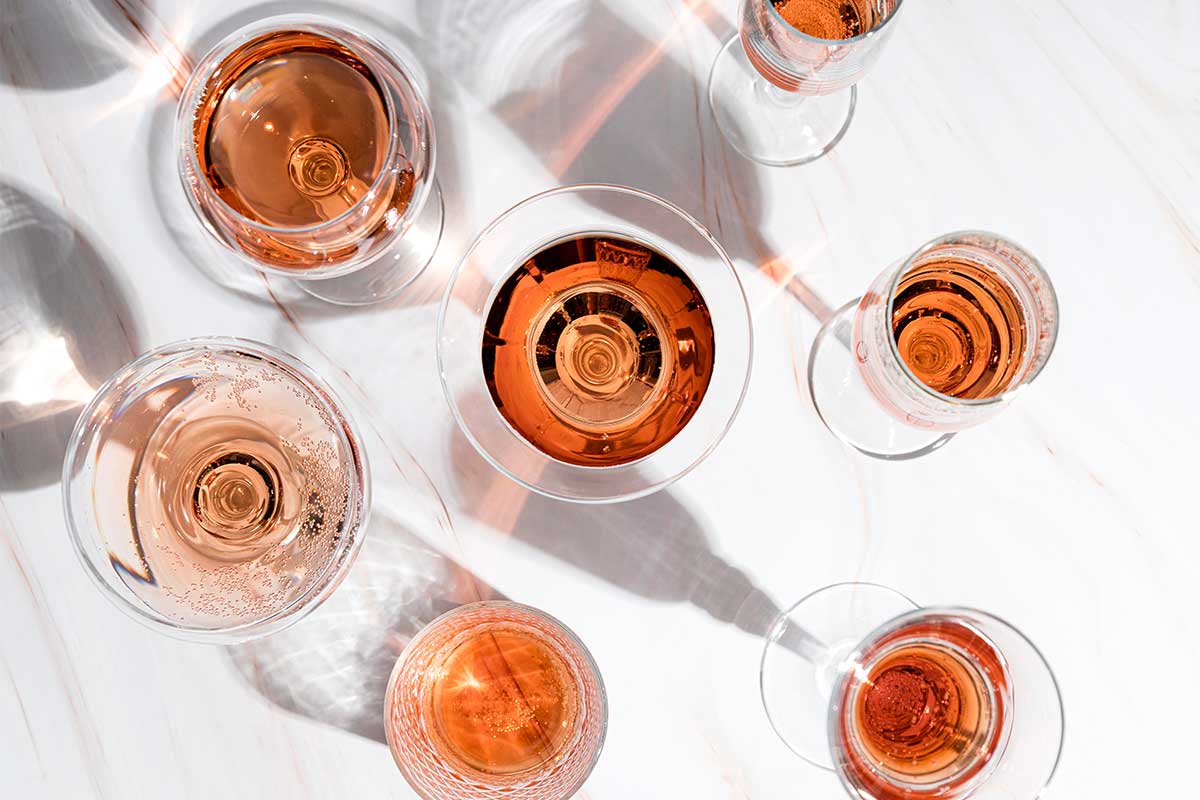
If you looked at two glasses of rosé wine side by side, you might think they were completely different wines — and in a way, they are. Every shade, from pale pink to vivid rose, tells a story about place, time, and winemaking style.
The key factors shaping color and taste are:
- Maceration time: just a few hours can completely change the wine’s profile. The longer the contact with the skins, the deeper and richer the rosé.
- Grape variety: Pinot Noir yields elegant rosés with floral tones; Merlot adds roundness and red fruit; Cabernet gives structure and depth.
- Climate and terroir: cool-climate rosés (Provence, Chablis, Northern Moldova) are more floral and crisp, while warm-climate versions (Spain, Southern Italy, Australia) are fuller and fruitier.
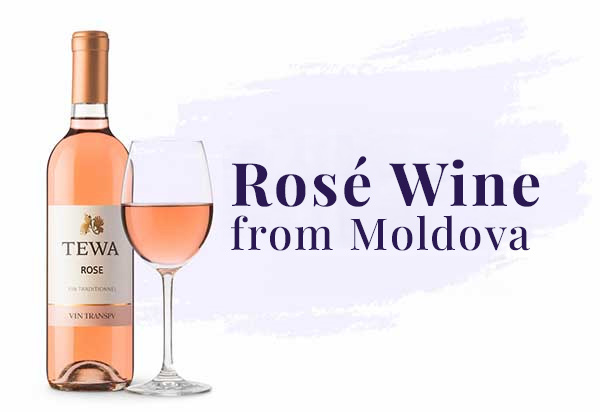
In the Republic of Moldova, the terroir blends the best of both worlds — sunny days and cool nights — resulting in rosés that are balanced, bright, and surprisingly expressive.
As we like to say at Mahu Wein, a good rosé doesn’t shout; it speaks softly, but with confidence, about where it comes from.
Rosé Styles Around the World
One of the most fascinating aspects of rosé wine is its diversity. The same grape variety can express itself completely differently depending on where it’s grown. No two rosés are ever quite alike — and that variety is part of their charm.
- France – Provence and Tavel
Provence is the birthplace of modern rosé: wines that are pale, delicate, and elegant, with notes of peach, white flowers, and almonds. In Tavel, rosé takes on more body and depth, sometimes resembling a light red. - Spain – Rosado
Spanish rosés are often more intense, with vivid red fruit and pronounced structure. The warmer climate adds roundness and energy, giving these wines their unmistakable character. - Italy – Chiaretto and Cerasuolo d’Abruzzo
In Italy, rosé is both everyday and elegant. Chiaretto, from Lake Garda, is floral and refreshing, while Cerasuolo offers deeper color and a soft, fruit-forward taste. - Republic of Moldova – Between Freshness and Elegance
In Moldova, rosé has found its own voice: clean, bright, and perfectly balanced between fruit and acidity. It doesn’t imitate Provence — it speaks the local terroir’s language, with notes of cherry, raspberry, and a lively freshness that invites discovery.
At Mahu Wein, these wines are chosen for their authenticity, not their color. A good rosé doesn’t need intensity to impress — only honesty and finesse.
Food Pairings for Rosé Wine
One reason rosé wine has become so beloved is its versatility. It connects dishes and palates, working beautifully with almost anything — from light appetizers to full dinners.
Dry, youthful rosé with crisp acidity and red-fruit aromas pairs wonderfully with:
- fresh salads and soft cheeses (like brie or mozzarella),
- white fish or seafood,
- Asian-inspired dishes with hints of ginger or lime.
Fuller-bodied rosés, made through longer maceration or partial oak aging, go perfectly with:
- creamy pasta dishes,
- roasted chicken,
- vegetable or parmesan risotto.
Temperature matters: 8–10°C (46–50°F) is ideal to highlight balance and aroma. Too cold, and the wine shuts down; too warm, and it loses its charm.
If you’d like to explore the art of pairing in more depth, we’ve published a dedicated article on the Mahu Wein blog about creating harmony between wine and food — a perfect companion to this topic.
Conclusion – Rosé: The Wine That Unites Two Worlds
In the world of wine, rosé holds a special place. It isn’t a compromise between red and white — it’s a category of its own, full of identity, emotion, and refinement. It can be as fresh as a white and as expressive as a young red. It’s the wine that fits any moment — a summer evening or an elegant autumn dinner.
What makes it truly special is its balance. Rosé bridges two seemingly opposite worlds: delicacy and depth, subtlety and vitality. It’s a wine that celebrates proportion — the beauty of simple things done well.
At Mahu Wein, we choose rosés that don’t try to impress, but to express — wines that tell the truth of their origin with quiet confidence. Every bottle is a story of balance, attention, and the joy of discovering authentic taste.If you want to discover a rosé wine that speaks through elegance, not intensity, explore our selection of Moldovan rosés — wines that turn simplicity into art and every glass into a personal story.