
What “Sparkling Wine” Really Means
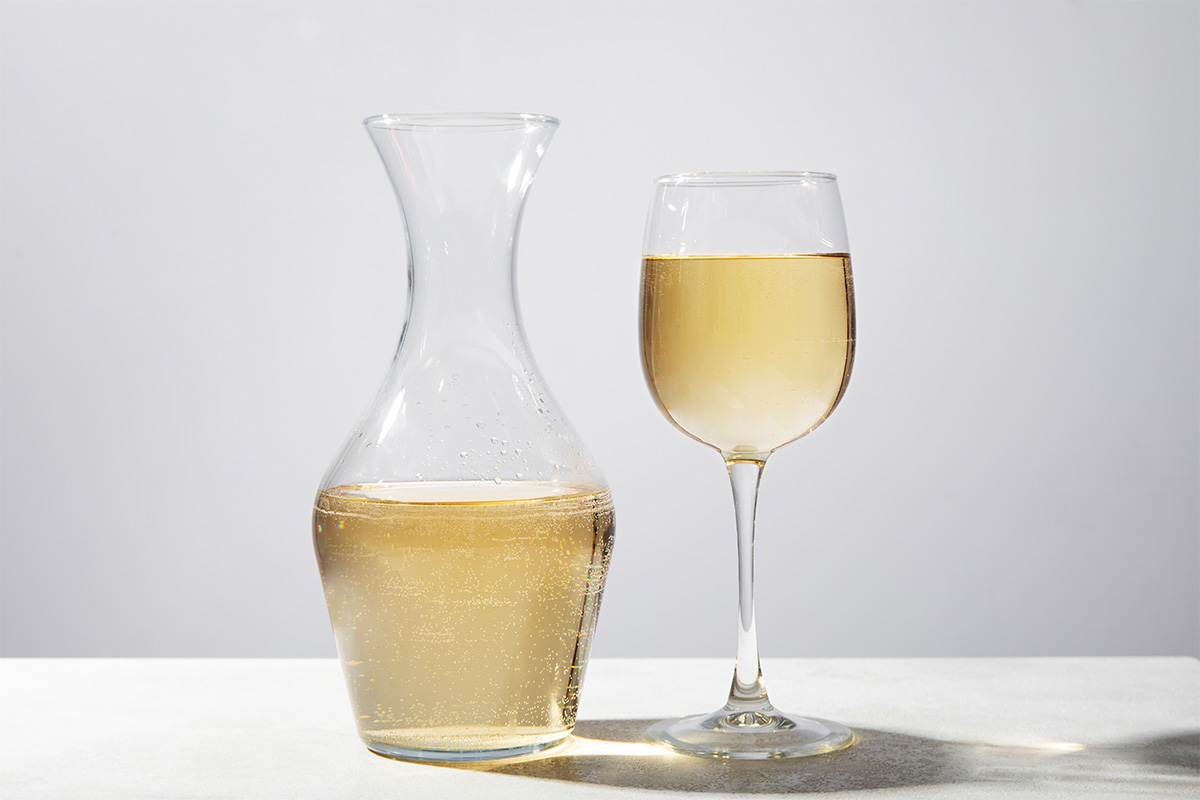
The term sparkling wine refers to a category, not a specific origin. It includes all wines that naturally contain carbon dioxide produced through fermentation — not by artificial carbonation.
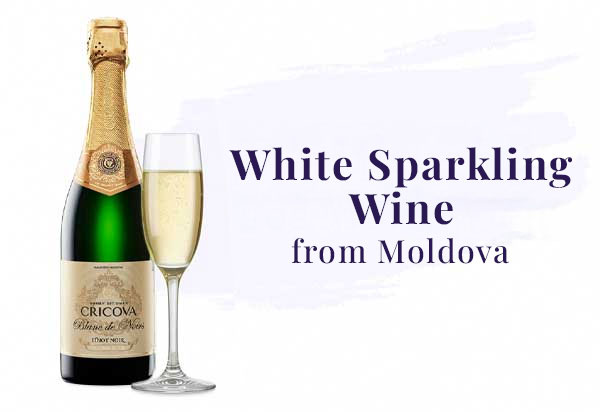
In other words, any wine that naturally forms bubbles belongs to this family – from Champagne in France, to Cava in Spain, Crémant, Sekt, or the sparkling wines of Moldova.
Each country has developed its own method and style, depending on climate, tradition, and grape variety.
A sparkling wine can be dry, semi-dry, sweet, fruity, or creamy, depending on the technique used and the time it spends maturing.
For example, a Champagne aged for years in the bottle will be complex, with notes of brioche and butter, while a young Moldovan sparkling wine may be bright and floral – perfect as an aperitif.
In essence, “sparkling wine” is an umbrella term, while Prosecco is the precise expression of a region and a distinctive style.
Just as every language has its dialects, every sparkling wine speaks its own accent.
The Production Method – Where the Paths Divide
Here lies the fundamental difference between Prosecco vs sparkling wine.
Although both have bubbles, how those bubbles are formed completely changes the texture, aromas, and character of the wine.
Prosecco – The Charmat (or Martinotti) Method
Prosecco is made using the Charmat method, in which the second fermentation (the one that creates the bubbles) takes place in large pressurized stainless steel tanks.
It’s a modern method that preserves fresh, fruity aromas and highlights floral notes.
The result?
A light, airy wine with fine, delicate bubbles – perfect for relaxed moments and spontaneous conversations.
Typical notes include green apple, pear, white peach, and acacia flowers.
This technique is designed to protect the primary aromas of the Glera grape, without the influence of oak or extended aging.
Traditional Sparkling Wines – The Champenoise Method
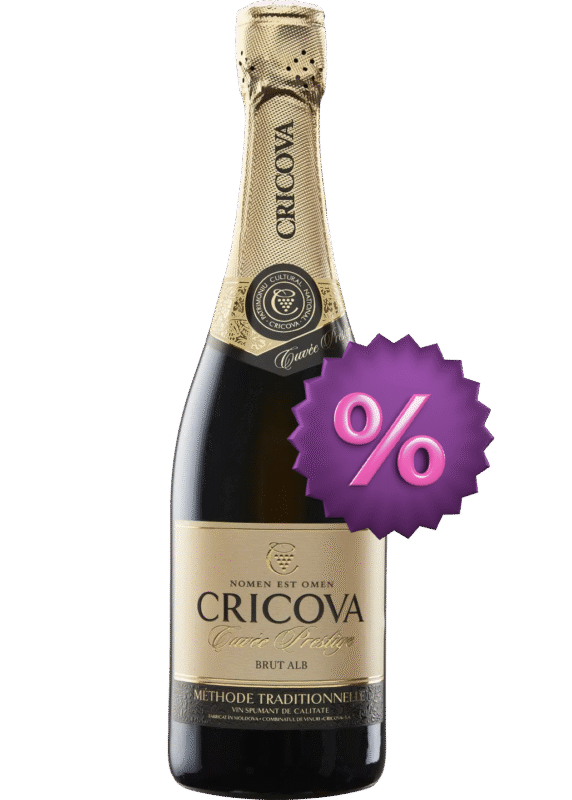
In the case of classic sparkling wines (such as Champagne, Crémant, Cava, or some premium Moldovan sparkling wines), the second fermentation takes place directly in the bottle.
This is known as the traditional method (Champenoise) – a slow, meticulous, and costly process where the wine rests on its lees for months or even years.
The result is a wine with finer, more persistent, creamy bubbles, and complex aromas of brioche, butter, toasted almonds, honey, or fresh bread crust.
More time means more depth — and more elegance.
In short:
- Prosecco = freshness, fruit, lightness
- Traditional sparkling wine = structure, complexity, finesse
Each has its charm, but they speak different languages.
Choosing between them isn’t about which is “better,” but which fits the moment.
How to Tell the Difference in the Glass
At first glance, a glass of Prosecco and one of traditional sparkling wine may look similar — but the difference becomes clear after the first sip.
It all starts with the bubbles.
In Prosecco, they are light, lively, and playful — creating a feeling of freshness and ease. In traditional sparkling wines, the bubbles are denser, more persistent, and almost creamy. They don’t just fizz — they give the wine texture.
The aromas also reveal the contrast. Prosecco is open and immediate, with notes of white fruit, wildflowers, and citrus. Traditional sparkling wines are deeper and more complex, with tones of baked bread, honey, and toasted almonds.
It’s like comparing a summer morning to a winter evening — both delightful, but each with its own energy.
Even the color tells a story: Prosecco tends to be pale and bright, while a mature sparkling wine often shows a golden hue, the mark of time spent on the lees.
At Mahu Wein, these nuances are part of the experience. Every wine tells a story — one of place, method, and balance.
Style, Occasion & Food Pairing
Though both types of wine are inherently festive, it’s the moment that sets them apart.
A Prosecco brings energy and spontaneity; a traditional sparkling wine brings depth and refinement.
Comparison – Prosecco vs Traditional Sparkling Wine
| Aspect | Prosecco | Traditional Sparkling Wine |
| Origin & Style | Italy (Veneto, Friuli) – fresh, fruity, easy-drinking | France, Spain, Moldova – structured, balanced, elegant |
| Personality | Bright, floral, lively | Complex, creamy, mature |
| Ideal Occasion | Aperitifs, brunches, casual gatherings | Elegant dinners, celebrations, refined evenings |
| Serving Temperature | 6–8 °C | 8–10 °C |
| Food Pairing | – White fish and seafood- Fresh salads and soft cheeses- Fruit-based desserts | – Aged cheeses- Creamy risotto, foie gras- Warm tartines and fine dishes |
| Overall Impression | Light, effervescent, refreshing | Noble, persistent, sophisticated |
At Mahu Wein, we believe sparkling wines aren’t just for special occasions — they’re for any moment that deserves attention.
A glass of Prosecco or an elegant Moldovan sparkling wine can mark the beginning of a conversation or the perfect ending to a good day.
Conclusion – Two Effervescent Worlds, One Sense of Balance
The question “Prosecco vs sparkling wine – which is better?” doesn’t really have a universal answer.
The truth is, we’re talking about two complementary styles, not a competition.
Prosecco embodies spontaneity, freshness, and the joy of simple pleasures.
Traditional sparkling wine represents depth, elegance, and respect for the time that shapes flavor.
Both are expressions of craftsmanship — one celebrating the moment, the other rewarding patience.
To understand them is to realize that wine isn’t about rules — it’s about emotion and context.
In the Mahu Wein collection, sparkling wines are chosen not for their label, but for their authentic character — from the brightness of a young Moldovan cuvée to the finesse of those aged in bottle.
Each bottle tells a story of balance, precision, and the quiet joy of savoring life.If you’d like to explore which style suits you best, follow your curiosity.
Choose a sparkling wine that reflects who you are — whether it’s a vibrant Prosecco or an elegant Moldovan sparkling wine from the Mahu Wein selection.
In the end, it’s not about the size of the bubbles — it’s about the sincerity of the smile behind the glass.