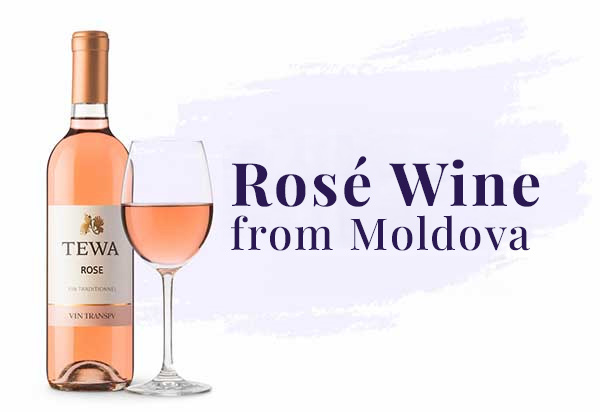


1. The Label as the Wine’s Signature
For the untrained eye, a wine label might just seem like a design detail. But for true wine lovers, it’s a signature.
A well-crafted label provides essential information about the wine’s origin, grape variety, vintage, and the winemaker’s style. In essence, it’s the wine’s identity card in miniature form.
When it comes to Moldovan wine, the label tells a story of terroir, tradition, and craftsmanship. Each winery expresses its philosophy through subtle details — typography, texture, color — and through how it communicates authenticity.
Reading the label carefully means understanding the wine’s identity, not just its name.
2. The Front Label – Visual Identity and Key Information
The front label is your first point of contact with a wine and should clearly communicate the essentials:
- Wine name – may refer to the grape variety (Feteasca Neagră, Viorica), a proprietary brand, or a blend.
- Grape variety – shows whether the wine is a single-varietal or a blend of several grapes.
- Vintage year – indicates when the grapes were harvested; good vintages reflect ideal growing conditions.
- Wine region – Moldovan wines often mention regions like Valul lui Traian, Codru, or Ștefan Vodă, each with distinct terroirs.
- Producer or winery name – a mark of transparency and trust. Recognized wineries ensure quality and controlled origin.
A balanced, clear label says everything you need to know — without gimmicks. A beautiful design can attract attention, but the information confirms the wine’s credibility.
3. The Back Label – Where the Wine’s Personality Is Revealed
If the front draws you in, the back label convinces you. Here, you’ll find the technical and sensory details that define the wine’s character:
- Alcohol content – expressed in % vol. A white wine typically has 11–13%, while reds reach 14–15%.
- Residual sugar – determines whether the wine is dry, semi-dry, semi-sweet, or sweet, helping you pair it properly with food.
- Geographical indication (IGP / DOC) – confirms controlled origin and adherence to quality standards.
- Aromatic description – often optional, but helpful; notes like “red fruit,” “floral,” or “silky finish” guide your expectations.
- Producer and importer details – ensure traceability and authenticity.
The back label is where science meets passion. Reading it carefully helps you predict whether a wine is light, fruity, full-bodied, or mature.
4. Understanding Common Terms on Moldovan Wine Labels
Moldovan wine labels often include specific technical or regional terms. Here’s how to interpret them correctly:
- Dry / Semi-dry / Semi-sweet / Sweet – indicates residual sugar levels (a dry wine has under 4 g/L; a sweet one may exceed 45 g/L).
- IGP (Protected Geographical Indication) – means the wine comes from a certified region following set production rules.
- DOC (Controlled Designation of Origin) – a higher classification, reserved for recognized vineyards with established quality.
- Cuvée – a blend of carefully selected varieties that achieve harmony between aroma and structure.
- Reserve / Grand Reserve – wines aged longer, often in oak barrels, for added complexity.
- Vintage – the harvest year, which shapes the wine’s personality.
Understanding these terms helps you read the story behind every bottle — how climate, soil, and craftsmanship merge into a unique expression.
5. How to Recognize an Authentic Moldovan Wine
Authenticity in a Moldovan wine label shows through transparency and controlled origin, not through marketing phrases.
Key indicators include:
- Mention of the wine-growing area – regions like Codru, Valul lui Traian, and Ștefan Vodă are certified with distinct microclimates.
- Control seal – each Moldovan wine with geographical indication carries a numbered seal for traceability.
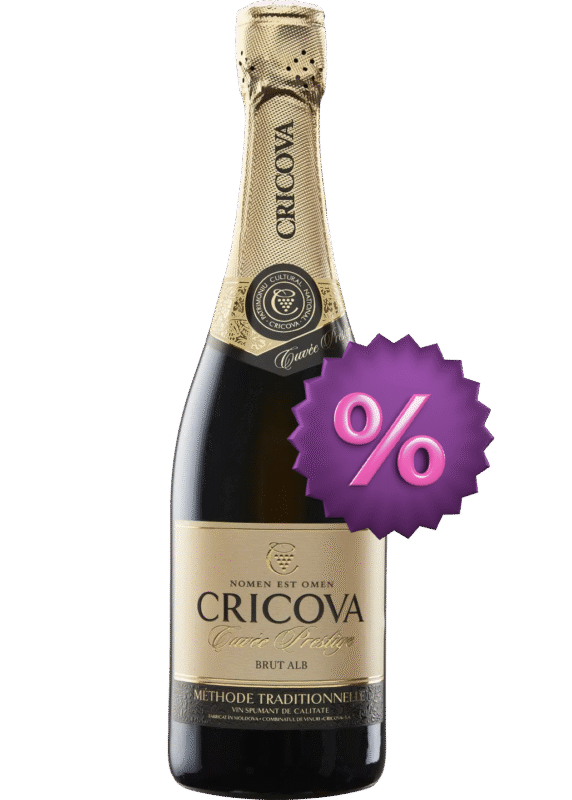
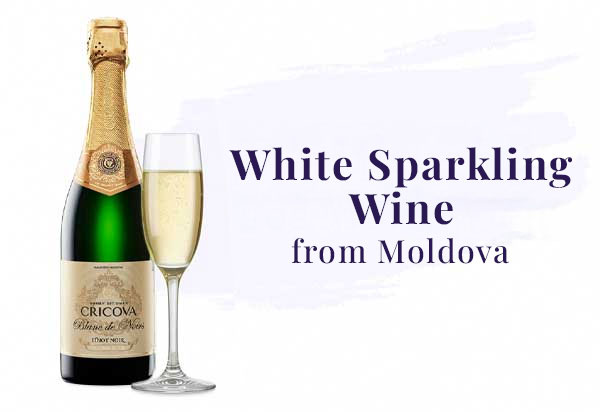
- Producer name – should be verifiable and reputable (e.g., Gitana Winery, Cricova, Purcari).
- Label language – genuine wines use clear, factual terms, avoiding vague claims like “exclusive selection.”
An authentic Moldovan wine speaks with honesty: it tells you where it was made, which grapes were used, and who crafted it. Transparency is always the first sign of quality.
6. Practical Example – Decoding a Label from Mahu Wein’s Selection
Let’s take Feteasca Neagră Multi Vintage 2022–2023, part of the Mahu Wein collection, as a practical example.
Front label highlights:
- Variety: Feteasca Neagră – an indigenous Moldovan grape known for intensity and elegance.
- Vintage: 2022–2023 – a blend from two harvests, balancing consistency and complexity.
- Region: Valul lui Traian – warm climate, calcareous soil, ideal for rich red wines.
Back label details:
- 13.5% vol. alcohol – indicates a structured, medium-bodied wine.
- DOC – Valul lui Traian – confirms controlled designation of origin.
- Aromas: ripe plums, spices, subtle oak tones.
These technical notes allow you to predict the tasting experience. When you understand the label’s language, choosing a wine becomes an informed decision, not a guess.
7. Conclusion – Understanding the Label Builds Confidence in Your Choice
Reading a label isn’t just a technical skill — it’s a form of respect for both the wine and yourself.
When you know what each detail means — from grape variety to origin and style — your choice becomes confident and personal.
A Moldovan wine label mirrors authenticity, tradition, and craftsmanship. It reflects the connection between land, people, and patience.
An informed consumer doesn’t pick randomly but with understanding and trust.
Explore our curated Moldovan wine selection and let each label tell you the story behind its bottle.