
1. Sweetness in Wine – Taste, Tradition, and Personal Choice
For many wine lovers, their first encounter with Moldovan wines begins with a sweet wine or a semi-sweet one. It’s natural – these wines are approachable, smooth, and easy to enjoy even without tasting experience. Yet behind that pleasant sweetness lies a story of terroir, tradition, and craftsmanship.
At Mahu Wein, sweetness is seen as a reflection of balance and skill. A well-crafted sweet wine reveals its depth through harmony – aroma, texture, and acidity working together, not simply through sugar content. A semi-sweet wine, on the other hand, retains a hint of delicacy that emphasizes its natural freshness. The choice between them depends not only on preference but also on context – a dessert, a light dinner, or a relaxed evening can completely reshape how the wine feels on the palate.
2. How Sweetness Shapes Taste and Pairing
Sweetness in wine is not merely about flavor; it defines how we perceive balance between aroma, acidity, and texture.
A sweet wine has greater body and lingering aromatics – ideal for desserts, fruits, or fine cheeses. Its natural sugar enhances notes of honey, dried apricot, or flowers, while balanced acidity keeps the taste fresh.
A semi-sweet wine, by contrast, brings subtle elegance. It’s rounded enough to please but fresh enough not to overwhelm. That’s why it pairs beautifully with light dishes: fish, seafood, salads, or Asian cuisine with sweet-sour notes.
Choosing the right wine always depends on the moment. A sweet wine can be the perfect ending to a dinner, while a semi-sweet turns an ordinary meal into a balanced experience.
3. Finding the Style That Fits You
Discovering your preferred wine style comes with experience, not instinct. Every wine expresses sweetness differently – sometimes gentle, sometimes intense – and your personal taste plays a key role.
A simple tip: compare. Pick two wines from the same variety – one sweet and one semi-sweet. Notice the differences in texture, acidity, and aftertaste. The sweet wine will feel fuller and more velvety, while the semi-sweet will seem livelier and more refreshing.
Don’t rely solely on the label. Two wines in the same category can taste entirely different depending on the producer, vintage, or fermentation method. Over time, you’ll learn to recognize your style not only by taste, but by how the wine makes you pause and savor the moment.
4. Mahu Wein Recommendations
The best way to understand the difference between sweet and semi-sweet wine is to taste them side by side. Here are two wines that perfectly illustrate the contrast between intensity and balance:
Sweet Wine – Cricova Ice Wine, Sweet White
A refined dessert wine made from Muscat Otonel grapes harvested at low temperatures using the traditional Eiswein method. It shows elegant sweetness balanced by crisp acidity, with notes of peach, honey, and tropical fruit. Perfect for fine desserts, soft cheeses, or a quiet evening at home.
Semi-Sweet Wine – Rosé J’Adore, Semi-Sweet
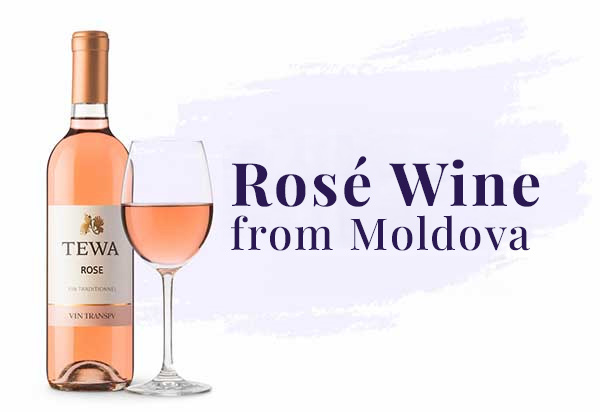
A delicate, modern rosé with notes of strawberries, wildflowers, and a subtle hint of Muscat. The harmony between sweetness and freshness makes it ideal for light dinners, seafood, or relaxed summer evenings.
Both wines capture the essence of Moldovan winemaking – expressive, authentic, and crafted to bring joy.
5. Serving Sweet and Semi-Sweet Wines Correctly
Because sweetness affects taste perception, serving temperature matters.
- Sweet wines should be slightly chilled, around 8–10 °C, to preserve freshness and aromatic balance.
- Semi-sweet wines can be served a little warmer, at 10–12 °C, allowing fruity and floral aromas to open gradually.
Glass shape also influences the experience: narrower glasses preserve delicate aromas and highlight the silky texture.
After opening, give the wine a few minutes to breathe – contact with air enhances its aromatic complexity.
Proper serving isn’t a strict rule, but rather a form of respect for the wine and the moment it accompanies.
6. Conclusion
Choosing between a sweet wine and a semi-sweet one isn’t about rules – it’s about balance. Each has its charm: one captivates with depth, the other with elegance.
What truly matters is knowing what you seek in a glass – intensity, freshness, or simply a pleasant moment shared with people you enjoy.
Moldovan wines turn sweetness into a mark of craftsmanship, not excess. They speak of balance, tradition, and the quiet joy of savoring life at its natural pace.