




1. What You Should Know Before Buying Ice Wine
Ice wine is one of the rarest types of sweet wine in the world, and its rarity comes from the fact that the process depends entirely on nature.
For a wine to be labeled Eiswein or Icewine, the grapes must freeze naturally on the vine at temperatures of at least –7°C.
This means two important things for you as a consumer:
- It cannot be produced every year, not even in cold regions.
- It can never be cheap, because a large part of the crop is lost before freezing takes place.
This is why ice wine is not just another sweet wine — it is the result of a perfect alignment between terroir, climate, and the skill of the winemaker.
If you want to understand and appreciate it properly, it’s important to know from the beginning that we’re talking about a concentrated, rare wine, produced in limited quantities and intended for special moments, not everyday drinking.
2. How Ice Wine Is Made (Short, Clear, Non-Technical)
The production process is simple in theory but extremely delicate in practice.
Here is the short version:
- The grapes remain on the vine until the first natural freeze.
- They are harvested at night or early morning, while still completely frozen.
- The grapes are pressed immediately, while still hard.
The frozen water stays behind in the press, while the juice that flows out is extremely concentrated in sugars and aromas. - Fermentation takes longer than with regular wines, because the must is thick and rich.
The final result is an intense wine with natural sweetness and high acidity, which makes it fresh and balanced rather than heavy.
What sets it apart from other sweet wines is the fact that nothing is added:
– no sugar,
– no concentrate,
– no artificially dried grapes.
Everything is 100% natural and relies on real winter frost — which is why ice wine is considered a premium style with a very clear identity.
3. How to Tell If an Ice Wine Is Authentic – What to Look for on the Label
Because ice wine is rare and valuable, it should always be checked carefully before buying.
Fortunately, the label gives you all the clues you need — if you know what to look for.
Quick checklist for a real Eiswein:
- The term “Eiswein” or “Icewine” must be clearly stated on the label.
If the wine is simply described as “dessert wine” or “sweet wine,” it is not authentic ice wine. - The country/region must be one where grapes can freeze naturally on the vine:
- Germany
- Austria
- Canada
- Certain regions of Moldova
- Rarely: northern USA
- Germany
- The vintage year is always a very cold, difficult one.
If you see consecutive years with no breaks, that’s suspicious — natural freezing cannot happen every year. - Alcohol content is usually low (8–12%).
The very sweet must ferments slowly, which keeps alcohol moderate. - A price that is “too low” is a red flag.
Authentic ice wine cannot be cheap due to high risks and low yields. - Look for producers known for this style.
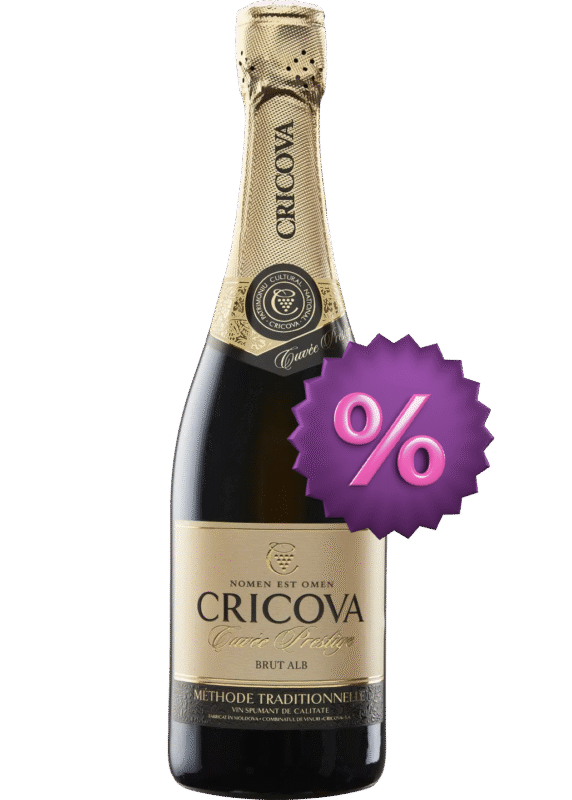
In Moldova, for example, ice wine is associated with wineries like Cricova, which have the expertise and climate for true Eiswein.
If a wine meets all these criteria, you’re looking at authentic ice wine — not just a regular sweet wine wrapped in an attractive label.
4. What Does a Good Ice Wine Taste Like?
Ice wine is sweet, but not syrupy or heavy.
Its quality lies in the balance between concentrated aromas and high acidity, which keeps it surprisingly fresh.
Typical aroma profile of authentic Eiswein:
- fine honey, but not heavy
- dried apricot, ripe peach, mango
- delicate floral notes
- sometimes hints of candied lemon or tropical fruit
Texture:
- dense
- velvety
- round
- lifted by a freshness that keeps it balanced
Finish:
Ice wine leaves a long, warm, yet bright impression.
It’s the kind of wine that doesn’t disappear after the first sip — it’s memorable but not tiring.
Why is this taste so appreciated?
Because ice wine captures the essence of the grape in its most concentrated form, while preserving the grape’s natural acidity.
The result is a rare combination of intensity, finesse, and freshness.
5. How to Serve Ice Wine Correctly: Temperature, Glass, and Timing
Ice wine reveals its best qualities when it is served properly.
Because it is a wine with concentrated aromas, every detail — from temperature to glass shape — makes a real difference.
Ideal Temperature
8–10°C
At this temperature, the sweet aromas are well defined and the acidity appears clearly, keeping the wine balanced.
Below 6°C, the wine becomes rigid.
Above 12°C, sweetness can dominate and the wine loses finesse.
What Glass to Use
Recommended: tulip-shaped glass or a slightly smaller white wine glass.
This allows the wine to breathe in a controlled way and open its aromas.
Avoid very narrow dessert wine glasses — they limit the aromatic spectrum.
When to Serve Ice Wine
Ice wine is ideal for:
- an elegant end to a meal
- a special moment with friends
- a themed tasting
- occasions where you want to offer a memorable wine without being overwhelming
It is not a wine for quick consumption — it is for slow appreciation and quiet conversations.
6. What Ice Wine Pairs Well With (Complete Table)
| Food Type | Recommended Examples | Why the Pairing Works |
| Desserts | Fruit tarts, cheesecake, vanilla creams, almond cakes | Acidity balances sweetness and enhances fruit aromas. |
| Cheeses | Roquefort, Gorgonzola, Stilton, aged Brie | Classic sweet–salty contrast; wine softens the intensity of the cheese. |
| Gourmet dishes | Foie gras, poultry with aromatic sauces, duck with peach or orange | Wine supports richness and adds a refined fruity counterpoint. |
| Asian cuisine | Mild curry, ginger dishes, sweet–sour sauces | Sweetness calms spices; acidity keeps everything fresh. |
7. Why Moldovan Ice Wines Are Becoming More Appreciated
Although ice wine is traditionally associated with Germany, Austria, or Canada, Moldova has recently started gaining attention for this rare style.
The reasons are clear once you look at the climate and modern winemaking practices.
Climate suitable for natural freezing
Moldovan winters offer the cold nights needed for grapes to freeze naturally on the vine.
It doesn’t happen every year — and this rarity adds value.
A distinctive terroir
Limestone soils and significant temperature differences between day and night develop grapes with excellent acidity — essential for balanced ice wine.
Quality-focused producers
Wineries that make ice wine in Moldova work in small batches and pay close attention to each step:
- hand harvesting
- immediate pressing
- controlled fermentation
- careful maturation
The result is refined sweetness, surprising freshness, and clearly defined aromas.
Balanced aroma profile
Compared to other famous regions, Moldovan ice wines are often:
- brighter
- with clearer acidity
- with elegant, not overwhelming sweetness
More accessible for consumers
Moldovan ice wines are typically more affordable than their Canadian or German counterparts — without compromising quality.
This makes the style easier to discover.
8. Mahu Wein Recommendation: A Well-Made Ice Wine
For those who want to discover an authentic, modern, and balanced ice wine, Cricova Ice Wine Sweet White is an excellent example of how Moldova interprets this style.
It is not just a sweet wine — it is a clean expression of natural freezing and careful winemaking:
- clear aromas of dried apricot, peach, and honey
- dense, velvety texture
- well-defined acidity that keeps everything fresh
- long, bright finish without heaviness
It shows exactly why Eiswein is so admired: intense but balanced, sweet but never syrupy, memorable yet easy to enjoy.
For wine lovers who want to understand the difference between an ordinary sweet wine and one created by nature, Cricova Ice Wine Sweet White is an excellent benchmark — a wine with personality, suitable both for special occasions and thoughtful tasting at home.